🍪 Our Cookies

This website uses cookies, pixel tags, and similar technologies (“Cookies”) for the purpose of enabling site operations and for performance, personalisation, and marketing purposes. We use our own Cookies and some from third parties. Only essential Cookies are used by default. By clicking “Accept All” you consent to the use of non-essential Cookies (i.e., functional, analytics, and marketing Cookies) and the related processing of personal data. You can manage your consent preferences by clicking Manage Preferences. You may withdraw a consent at any time by using the link “Cookie Preferences” in the footer of our website.

Our Privacy Notice is accessible here. To learn more about the use of Cookies on our website, please view our Cookie Notice.

FAT Brands meltdown shows WBS investors can’t count on protection

Share

News and Analysis

FAT Brands meltdown shows WBS investors can’t count on protection

Guelda Voien's avatar
Anthony Park's avatar
Lara Sheikh's avatar
  1. Ayden Crosby
  2. +Guelda Voien
  3. + 2 more
7 min read

Don’t miss out on news you won’t find anywhere else — get The Memo US and The Memo Europe in your inbox every two weeks.

The sudden bankruptcy of restaurant group FAT Brands, whose whole-business securitization noteholders allege its controlling shareholder misused funds, highlights the plight of investors who may have hoped this structure would protect them.

Coming hot on the heels of last year’s First Brands implosion, it also shows the heightened risk of standards slipping in hot debt markets where investors are under pressure to deploy cash.

Whole-business securitization has become increasingly popular among franchised restaurant groups over recent years, often enabling them to take on more leverage at lower interest rates than in the leveraged loan or HY bond markets. The likes of Subway, Domino’s, Taco Bell and Wingstop have all done whole-business deals in the years since 2022.

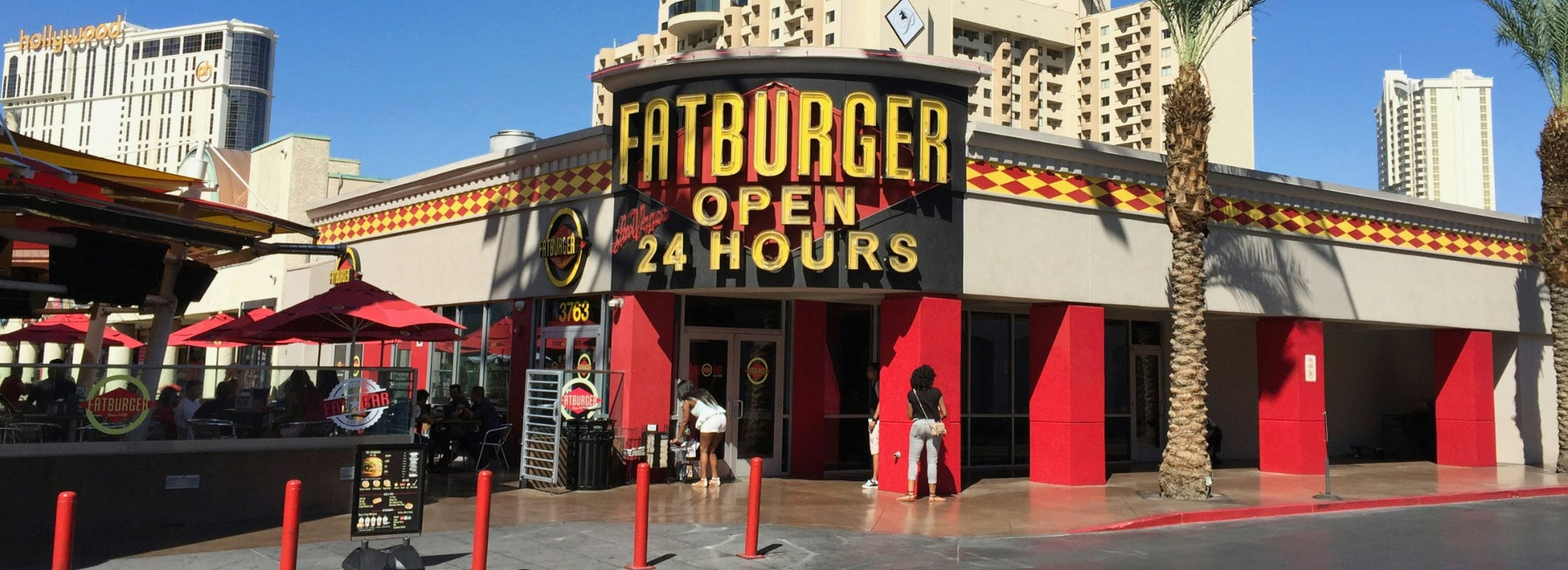
FAT Brands used the structure to finance a string of restaurant acquisitions between 2017 and 2023. The company now owns a slate of popular names like Fatburger, Johnny Rockets and Twin Peaks.

Whereas traditional ABS structures package pools of specific assets, such as consumer loans or accounts receivables, into debt investments, WBS deals package up entire businesses. Essentially, a company can take major business segments that generate positive cash flow and turn them into bonds.

Read all our public content for free

We won't spam. You can unsubscribe at any time.

What are you waiting for?

Book a demo
  • We're trusted by the top 10 Investment Banks